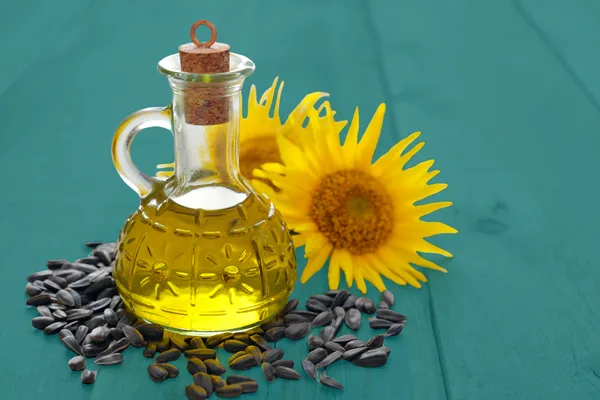
The Truth About Seed Oils and Inflammation

The Truth About Seed Oils and Inflammation
Are Seed Oils Really Causing Chronic Inflammation?

Seed oils have become one of the most debated topics in nutrition.
You may have heard that oils like canola, sunflower, safflower, soybean, corn, and grapeseed oil are "toxic," "inflammatory," or something you should eliminate completely.
But the science is more nuanced.
Seed oils contain polyunsaturated fats, including linoleic acid (omega-6). Your body needs linoleic acid, and it must come from your diet because your body cannot make it on its own. Current evidence does not support the idea that eating typical amounts of linoleic acid automatically causes chronic inflammation. (PubMed)
So where did the controversy come from?
And what should you actually know about seed oils if you're trying to support your gut, hormones, and overall health?
What Are Seed Oils?

"Seed oils" is a broad term for oils extracted from plants such as:
Canola
Soybean
Sunflower
Safflower
Corn
Grapeseed
Cottonseed
Rice bran
Many of these oils are rich in linoleic acid, an omega-6 fatty acid.
Omega-6 fats are sometimes portrayed as inherently inflammatory because the body can use fatty acids to produce molecules involved in inflammation.
But inflammation is not automatically bad.
Your body needs a regulated inflammatory response to respond to injury, infection, and other challenges.
The goal isn't to eliminate every molecule involved in inflammation.
The goal is to support healthy regulation.
Does Omega-6 Cause Inflammation?
This is where the internet often oversimplifies the science.
A systematic review of randomized controlled trials found that increasing dietary linoleic acid did not significantly increase inflammatory markers in healthy adults. (PubMed)
A later meta-analysis of 30 randomized controlled trials involving 1,377 adults also found that increasing dietary linoleic acid did not significantly affect several inflammatory markers, including CRP, IL-6, and TNF-alpha. (PubMed)
That doesn't mean every seed oil is automatically the best choice for every person.
It means the claim that "omega-6 = inflammation" is not supported by the human clinical evidence.
The Bigger Problem May Be the Foods Around Them
Here's where the conversation gets more interesting.
Many foods containing seed oils are also highly processed.
Think:
Packaged snacks
Fast food
Fried foods
Commercial baked goods
Chips
Processed sauces
Some convenience meals
These foods may also contain large amounts of refined carbohydrates, added sugars, sodium, and calories while providing relatively little fiber or micronutrient density.
The American Heart Association notes that the concern may be better directed toward overall ultra-processed food intake rather than blaming seed oils themselves. (www.heart.org)
In other words:
The food matrix matters.
A salad lightly dressed with a plant oil is very different from regularly eating heavily processed foods simply because they contain seed oils.
What About Cooking With Seed Oils?
Another common concern is that seed oils become dangerous when heated.
Cooking methods, temperature, storage, and repeated heating can affect oils and produce oxidation products. That doesn't mean ordinary home cooking automatically turns seed oils into toxins.
The type of cooking, temperature, duration, and whether oil is repeatedly reused all matter.
For everyday cooking, the most practical approach is to use oils appropriately rather than living in fear of them.
Extra-virgin olive oil is an excellent option and is a major component of the Mediterranean-style eating pattern. But other unsaturated plant oils can also fit into a healthy diet. (www.heart.org)
What About the Omega-6 to Omega-3 Ratio?
This is another area where social media messaging can become misleading.
Omega-3 and omega-6 fatty acids both participate in important biological processes.
Omega-3 fats, including EPA and DHA from fatty fish, have well-established roles in cardiovascular and overall health.
That doesn't mean omega-6 fats are inherently harmful.
Instead of obsessing over a specific ratio, focus on getting a variety of healthy fats, including foods rich in omega-3s such as:
Salmon
Sardines
Trout
Chia seeds
Flaxseeds
Walnuts
And choose minimally processed foods most of the time.
What About Inflammation and Your Gut?
If you're dealing with bloating, digestive symptoms, fatigue, hormone concerns, or chronic inflammation, it's tempting to find one food ingredient to blame.
But your health is more complicated than that.
Inflammation can be influenced by:
Gut health
Sleep
Stress
Blood sugar regulation
Physical activity
Body composition
Nutrition
Underlying medical conditions
Environmental and lifestyle factors
That's why eliminating one ingredient doesn't necessarily address the reason you're experiencing symptoms.
The Functional Medicine Perspective
At Vargo Vision Functional Wellness, we believe nutrition should be personalized, not driven by fear.
Instead of asking:
"Are seed oils bad?"
A better question is:
"What does your overall diet and health picture look like?"
We want to understand what you're actually eating, how your body is responding, and what other factors may be contributing to your symptoms.
For one person, reducing highly processed foods may make a significant difference.
For another, the bigger issue may be inadequate protein, poor sleep, blood sugar instability, digestive dysfunction, or chronic stress.
The goal isn't to find a villain.
It's to find what your body needs.
Actionable Steps You Can Take Today
Focus on minimally processed, nutrient-dense foods most of the time.
Eat plenty of colorful vegetables and fiber-rich foods.
Include omega-3-rich foods such as fatty fish, chia, flax, and walnuts.
Use healthy oils in reasonable amounts as part of balanced meals.
Limit heavily processed foods rather than focusing on one isolated ingredient.
Choose foods based on overall nutritional quality.
Avoid unnecessary restrictive diets based on social media claims.
Prioritize sleep, movement, hydration, and stress management.
Pay attention to how your individual body responds to different foods.
Work with a qualified healthcare professional if you're experiencing persistent digestive or inflammatory symptoms.
The Bottom Line
Seed oils aren't as simple as "good" or "bad."
Current human evidence does not support the claim that typical dietary linoleic acid intake inherently causes chronic inflammation. (PubMed)
At the same time, that doesn't mean every food containing seed oils is automatically healthy.
Context matters.
A diet dominated by highly processed foods is very different from a nutrient-dense diet that occasionally uses a plant oil for cooking or dressing.
At Vargo Vision Functional Wellness, we believe the goal isn't to fear food.
It's to understand your body, improve the quality of your overall diet, and identify the factors that may actually be contributing to inflammation and poor health.
Don't chase food villains. Look at the whole picture.
Ready to Take the Next Step?
If you're struggling with chronic inflammation, bloating, fatigue, digestive issues, hormone imbalances, brain fog, or other persistent symptoms, we're here to help you look deeper.
Book your Free Discovery Call today:
https://vargovision.com/book-now
Together, we'll look beyond individual foods and explore the bigger picture of your health.
Frequently Asked Questions
Are seed oils inflammatory?
Current evidence does not show that typical dietary intake of linoleic acid, the primary omega-6 fat in many seed oils, automatically increases inflammatory markers in healthy adults. (PubMed)
Should I stop eating seed oils?
Not necessarily. Rather than eliminating all seed oils, focus on the overall quality of your diet. Minimally processed foods, vegetables, fruits, legumes, whole grains, nuts, seeds, and healthy sources of protein and fat should make up the foundation of your eating pattern.
Is olive oil better than seed oil?
Extra-virgin olive oil is an excellent source of monounsaturated fat and polyphenols and is a staple of the Mediterranean diet. However, that doesn't mean other unsaturated plant oils are inherently harmful. The best choice can depend on the food, cooking method, and your overall dietary pattern. (www.heart.org)
What should I eat to support a healthy inflammatory response?
Focus on an overall nutrient-dense eating pattern that includes colorful vegetables and fruits, fiber-rich foods, legumes, nuts and seeds, fatty fish, and healthy fats. Nutrition is only one piece of inflammation management; sleep, stress, movement, and underlying health conditions matter too.